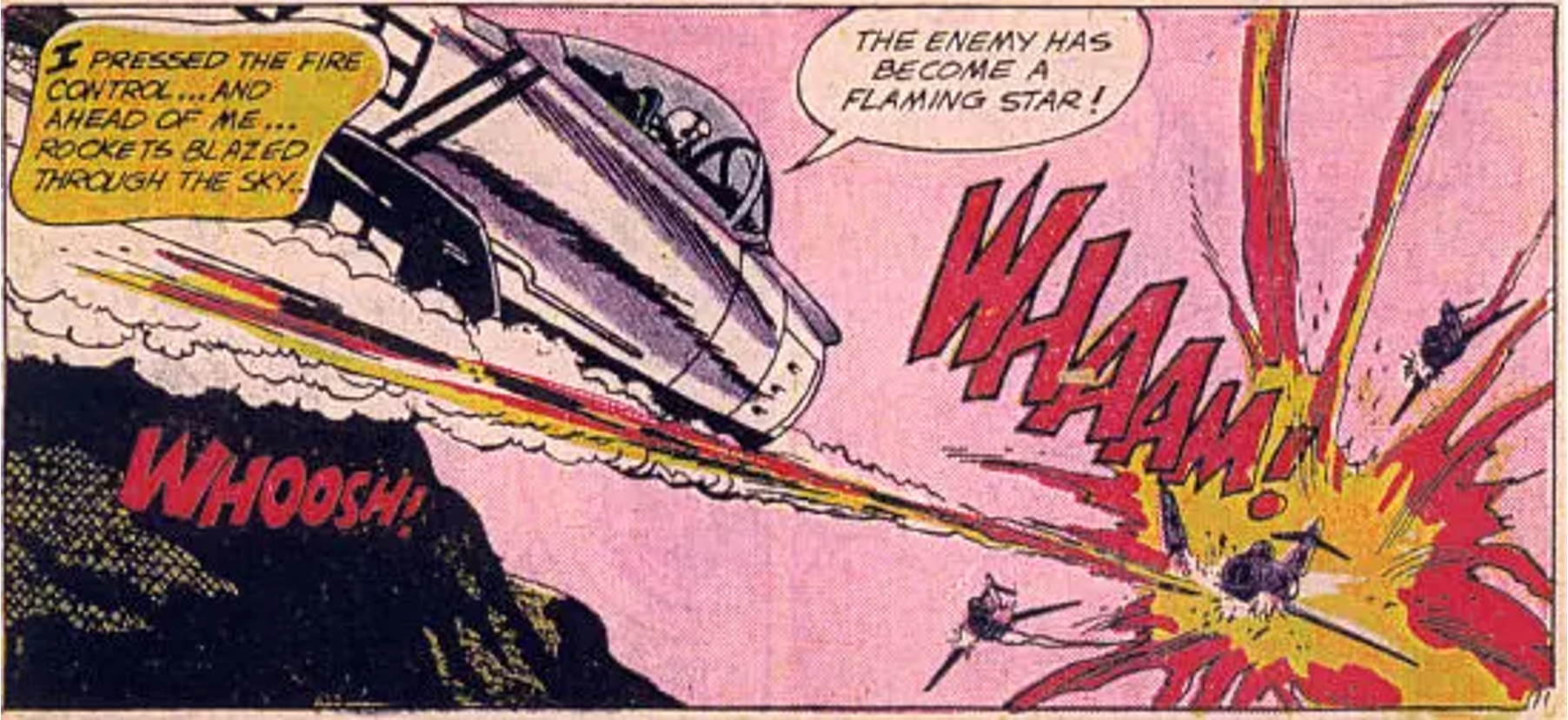
In 1952, over the skies of Korea, American pilots were winning dogfights they had no right to win. Their opponents flew Soviet-built MiGs — faster, more manoeuvrable, more technologically advanced. On paper, the Americans should have been losing. They weren't.
A young US Air Force pilot named Lt Col John "Mad Major" Boyd wanted to know why.
What he found was simple but profound. American cockpits had bubble canopies with fewer blind spots. Their controls were fully hydraulic — lighter, more responsive. Their pilots could see more and act faster. Not because they were better pilots. Because their environment gave them better information, more quickly.
It didn't matter that the enemy had the superior machine. The side that could observe, orient, decide, and act first — won.
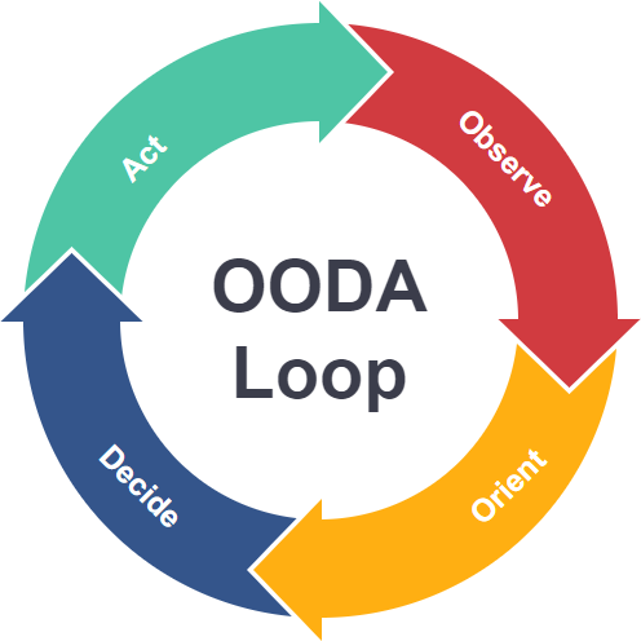
The OODA Loop
Boyd spent years refining his findings. The result was the OODA Loop — Observe, Orient, Decide, Act. A framework for decision-making under pressure, in conditions of uncertainty, with incomplete information.
Most people see it as a simple four-step cycle. Boyd's actual vision was more nuanced — an iterative, feedback-driven process where information flows back through multiple loops simultaneously. You don't move through each stage in order. You adapt continuously as new information arrives.
The goal is not to make perfect decisions. The goal is to make better decisions faster than your opponent.
Top Gun and the proof of concept
By Vietnam, the US was losing aircraft at a kill ratio of 2:1. Something had to change. In 1969, the Navy opened the Fighter Weapons School — better known as Top Gun.
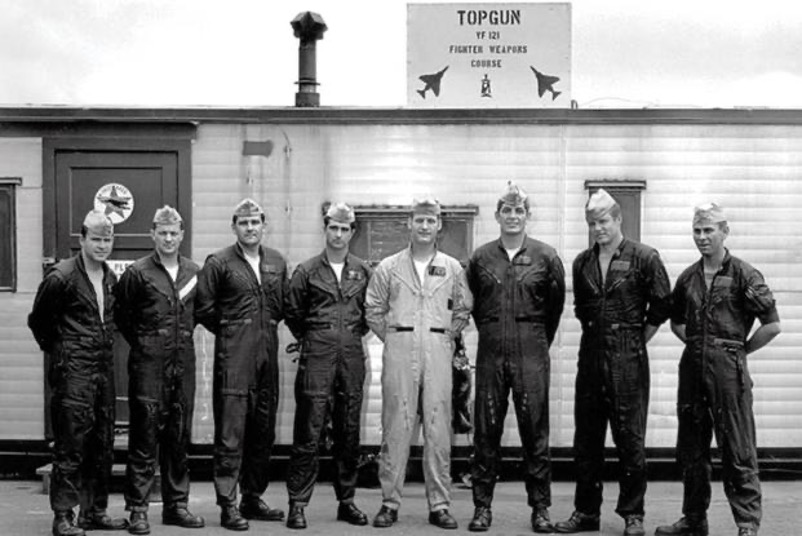
Among the core teachings was Boyd's OODA Loop. Pilots were trained to compress their decision cycles, to observe more, orient faster, and act with conviction under fire.
Within three years, the kill ratio flipped to 13:1.
Boyd's doctrine was adopted US military-wide in 1976. The British military followed in 1980. It remains doctrine today.
The connection to Scrum
One of the first pilots through Top Gun was a young aviator named Jeff Sutherland. He flew over 100 successful reconnaissance missions in Vietnam. Eleven years in the Navy. Then a career that took him through cancer research, banking infrastructure, and eventually — software.
Dr Jeff Sutherland became one of the original signatories of the Agile Manifesto. More importantly, he became one of the founding fathers of Scrum.
Scrum is, at its core, the OODA Loop applied to product development. Time-boxed sprints force observation. Retrospectives force orientation. Sprint planning forces decision. Daily standups force action. The entire framework is designed to help organisations see more and act faster in a constantly changing environment.
As Sutherland himself said: "Back then I was just a young jet pilot hoping to survive my required missions. I didn't know that my flight experience would shape the way I would work for the rest of my life."
What this means for your team
If your product team is slow to respond to market changes, misaligned on priorities, or stuck in long planning cycles — the problem isn't your tools or your people. It's your decision loop.
The teams that win aren't the ones with the best technology. They're the ones who can observe what's happening, orient around it, decide, and act — faster than everyone else.
Boyd figured that out at 40,000 feet. Sutherland brought it to the office. The question is whether you've built your organisation to do the same.
Tenuous fun fact – Top Gun came out inthe same year that the term ‘Scrum’ was first used in reference to product development – 1986… A rugby analogy was used to describe work (the rugby ball),being passed around a tightly knitted team (the scrum), to move along (the pitch)!